How to Find the Ideal General Contractor for Your Home Renovation Project
Picking the ideal general contractor is crucial for a productive home renovation. Property owners must consider multiple factors, including experience, qualifications, and interpersonal skills. A well-informed decision can prevent costly mistakes and ensure a smoother process. However, maneuvering through the selection process can be challenging. What key aspects should one examine? What questions are important during initial consultations? Recognizing these elements can significantly influence the renovation experience.
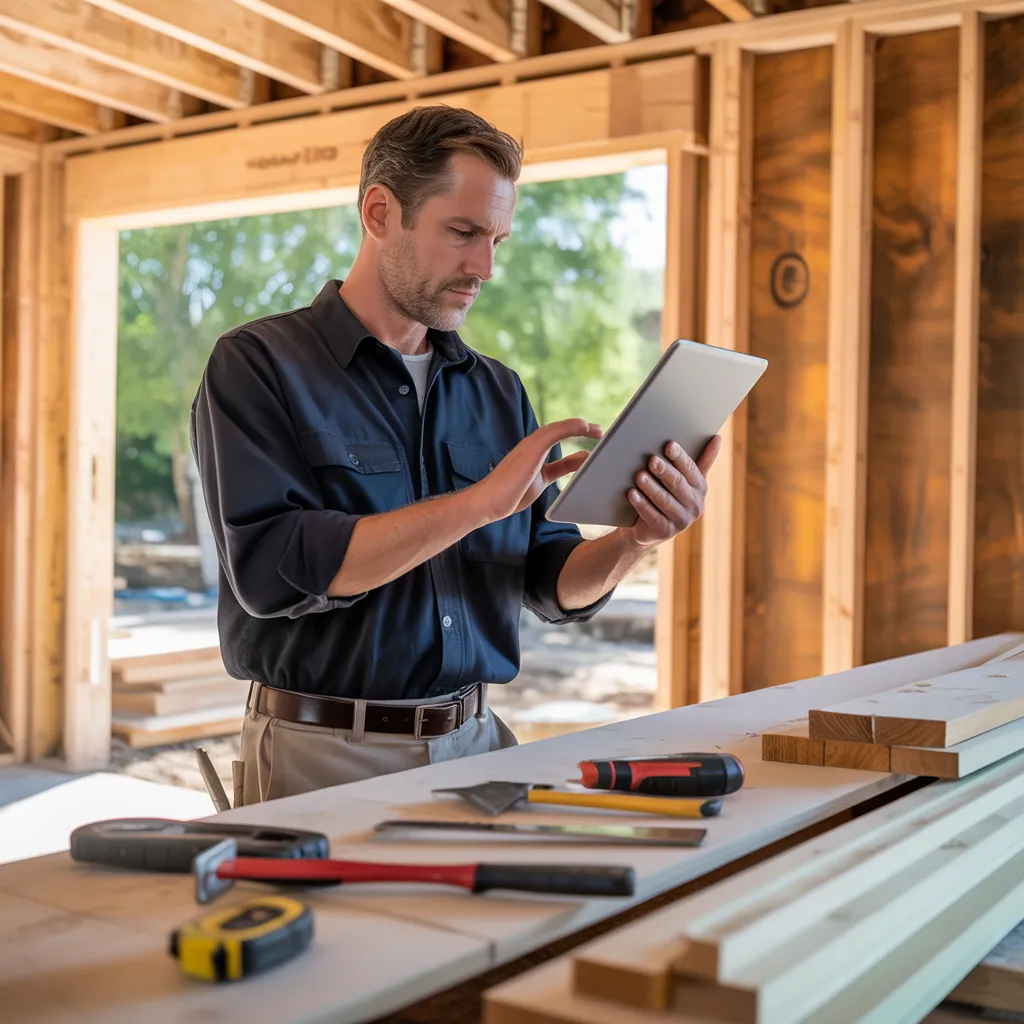
What Kind of Experience Should You Seek in a Contractor?
When hiring a home renovation contractor for home improvement, it is important to evaluate their professional background. A contractor's experience can greatly influence the efficiency and quality of the renovation process. To begin, potential clients should seek contractors with a well-established record in comparable projects, confirming expertise in specific challenges and solutions.
Additionally, a contractor's years of experience can demonstrate a contractor's ability to manage timelines, budgets, and subcontractors effectively. It is equally important to ask about their portfolio, highlighting completed projects that match the homeowner's expectations.
Furthermore, contractors who have experience with local building requirements and regulations can assist in preventing potential legal issues. As a final point, a contractor's capacity to supply references from previous clients can offer insight into their dependability and professionalism. By thoroughly assessing these factors, homeowners can reach a more educated decision when hiring a general contractor for their home renovation project.
How to Confirm a Contractor's Qualifications and References
What steps can homeowners take to ensure they are hiring a qualified contractor? Verifying a contractor's credentials and references is essential. The first step for homeowners is to check for appropriate licensing and insurance, making sure the contractor satisfies local requirements. This verification can generally be accomplished through state or local licensing boards. Moreover, ensuring that the contractor holds liability insurance and worker's compensation coverage safeguards homeowners against potential financial liabilities.
In addition, homeowners should seek references from past clients. A reputable contractor should provide a list of recent projects, accompanied by contact information. Reaching out to previous clients can provide helpful insights about the contractor's professionalism, ability to communicate, and ability to meet deadlines.
User reviews and ratings on platforms like Yelp or Angie's List can also provide further context. By performing thorough research and collecting multiple perspectives, homeowners can arrive at a well-informed decision, enhancing the probability of a successful renovation project.
What Questions Should You Ask During the Initial Consultation?
After verifying a contractor's credentials and background, homeowners should get ready for the preliminary meeting by formulating specific questions. Important queries should center around the contractor's experience with similar projects, including timelines and potential challenges. Homeowners should additionally inquire about the contractor's methods for managing projects and maintaining communication, guaranteeing they will be provided with frequent updates over the course of the renovation.
Additionally, discussing the contractor's preferred subcontractors can provide insight into the quality of work expected. It is essential to inquire about necessary permits and how the contractor handles inspections. Homeowners are advised to request clarity on the payment timeline and any initial costs required. It is also critical to comprehend the contractor's warranty coverage and their method for handling any problems that arise after the work is finished. Through posing these specific questions, homeowners are better positioned to determine whether the contractor suits their goals and requirements for the remodeling endeavor.
How to Deconstruct Project Estimates and Contracts
Breaking down project estimates and contracts is essential for property owners to understand the monetary components of their remodeling endeavor. Key components such as timelines, labor, and materials are instrumental in the total expense. Moreover, clarifying contract terms ensures that all parties have a shared awareness of responsibilities and commitments.
Key Estimate Components
Comprehending the critical components of renovation estimates is vital for homeowners starting on renovations. A thorough estimate usually consists of labor costs, material costs, and overhead charges. Labor expenses reflect the compensation for experienced professionals, which can fluctuate based on expertise and renovation demands. Material expenses should outline amounts and standards, allowing homeowners to determine worth and reliability. Overhead costs, including insurance and permits, offer transparency regarding the contractor's business expenses. Moreover, contingency reserves are frequently added to manage unforeseen costs, ensuring a more efficient renovation process. Homeowners should also seek out a transparent schedule and payment plan to establish expectations. Examining these elements enables property owners choose wisely and fosters clear communication with their chosen contractor.
Contract Terms Clarified
A complete understanding of contract terms is essential for homeowners overseeing renovation projects. Contracts typically outline the scope of work, payment schedules, and timelines, guaranteeing that all parties remain in agreement. Homeowners should thoroughly inspect the itemized estimates, which provide a detailed breakdown of expenses for materials, labor, and permits, providing transparency. Key terms to consider include change orders, which explain how project changes will be managed and billed. Additionally, homeowners should be aware of warranty terms, which protect against defects in workmanship or materials. Understanding these elements empowers homeowners to make informed decisions and aids in avoiding conflicts or miscommunications throughout the renovation, ultimately leading to a more seamless renovation experience. A solid understanding of contract terms is essential for achieving see more a positive partnership with contractors.
Grasping the Value of Communication Style With Your Contractor?
The effectiveness of a homeowner's communication with their general contractor can greatly impact the success of a renovation project. A well-defined communication method encourages clarity and confirms that everyone involved stays on the same page regarding timelines, budgets, and expectations. Property owners should examine how contractors relay details, whether through scheduled meetings, written updates, or email correspondence.
A contractor who engages attentively and communicates responsibly can work to relieve anxieties and tackle challenges without delay. Furthermore, it is vital for homeowners to feel confident voicing their suggestions and concerns. A transparent conversation fosters teamwork, which can result in improved choices and creative outcomes.
When assessing prospective contractors, homeowners need to assess how well they can engage in constructive conversations. This harmony in conversational methods can greatly enhance the overall renovation experience, guaranteeing that the project progresses smoothly and fulfills the homeowner's expectations. Ultimately, effective communication lays the groundwork for a successful partnership.
What Red Flags Indicate a Contractor Isn't Right for You?
Spotting potential red flags in a contractor is essential for a smooth renovation project. Poor communication habits and insufficient licensing can point to deeper concerns that might compromise the project. Homeowners should remain vigilant to ensure they select a dependable contractor suited to their needs.
Poor Communication Practices
Effective communication serves as the cornerstone of all successful residential renovation projects. When evaluating a general contractor, poor communication habits frequently indicate underlying problems. Key concerns involve inconsistent updates, unclear replies to inquiries, and trouble coordinating meetings. When a contractor consistently misinterprets project specifications or neglects to deliver progress reports, it raises concerns about their commitment and reliability. Furthermore, insufficient openness about schedules, expenses, and procedures may suggest poor organization or a lack of professionalism. Qualified contractors ought to explain specifics and resolve issues in a timely manner. A contractor who avoids direct communication or dismisses questions may not prioritize the homeowner's interests, potentially compromising the overall outcome of the renovation. Transparent dialogue is vital for establishing confidence and guaranteeing a seamless remodeling process.
Failure to Obtain Proper Licensing
Open communication is critical for establishing an effective partnership with a general contractor, but it is also essential to ensure that the contractor holds the necessary credentials. The absence of proper licensing represents a significant concern when assessing potential contractors. Properly licensed contractors are often required to meet specific state regulations, ensuring that they possess the expertise and knowledge necessary to handle renovation projects in a safe and effective manner. Homeowners should always verify a contractor's license via local government offices or online verification tools. Moreover, an unwillingness to present licensing information or proof of insurance may suggest insufficient professional standards. Ensuring that a contractor is properly licensed not only provides protection for the homeowner but also enhances the complete success of the renovation project.
Frequently Asked Questions
How Do I Find Out if a Contractor Is Insured?
To find out if a contractor carries insurance, it is advisable to obtain evidence of insurance, such as both liability coverage and workers' compensation. Reviewing this documentation ensures that the contractor is held accountable financially for potential damages or accidents.
What Should I Do if a Contractor Misses Deadlines?
Should a contractor fall behind on deadlines, the homeowner ought to address concerns openly, review the contract for stipulations, and maintain documentation of any delays. Pursuing a solution through open dialogue or mediation can assist in setting clear expectations and keeping the project on track.
How Can I Handle Disputes With My Contractor?
To resolve conflicts with a contractor, one should keep records of all interactions, articulate concerns clearly, and attempt to resolve matters through communication. Should the matter remain unresolved, pursue mediation or obtain professional legal advice to defend your rights and secure your interests.
Are There Specific Permits Needed for My Renovation?
The permits required for renovations vary based on local regulations and the scope of the project. In most cases, building, electrical, plumbing, or zoning permits will be necessary. Working with local authorities confirms compliance and minimizes the risk of legal issues arising during the renovation process.
What Are the Best Ways to Safeguard My Home During Renovations?
To keep a home safe during renovation work, homeowners should cover floors, partition work areas, guarantee proper ventilation, protect valuable belongings, and keep open lines of communication with contractors about safety measures and timelines to limit disturbances.
Comments on “Reasons to Trust Sarnia Top Rated General Contractor”